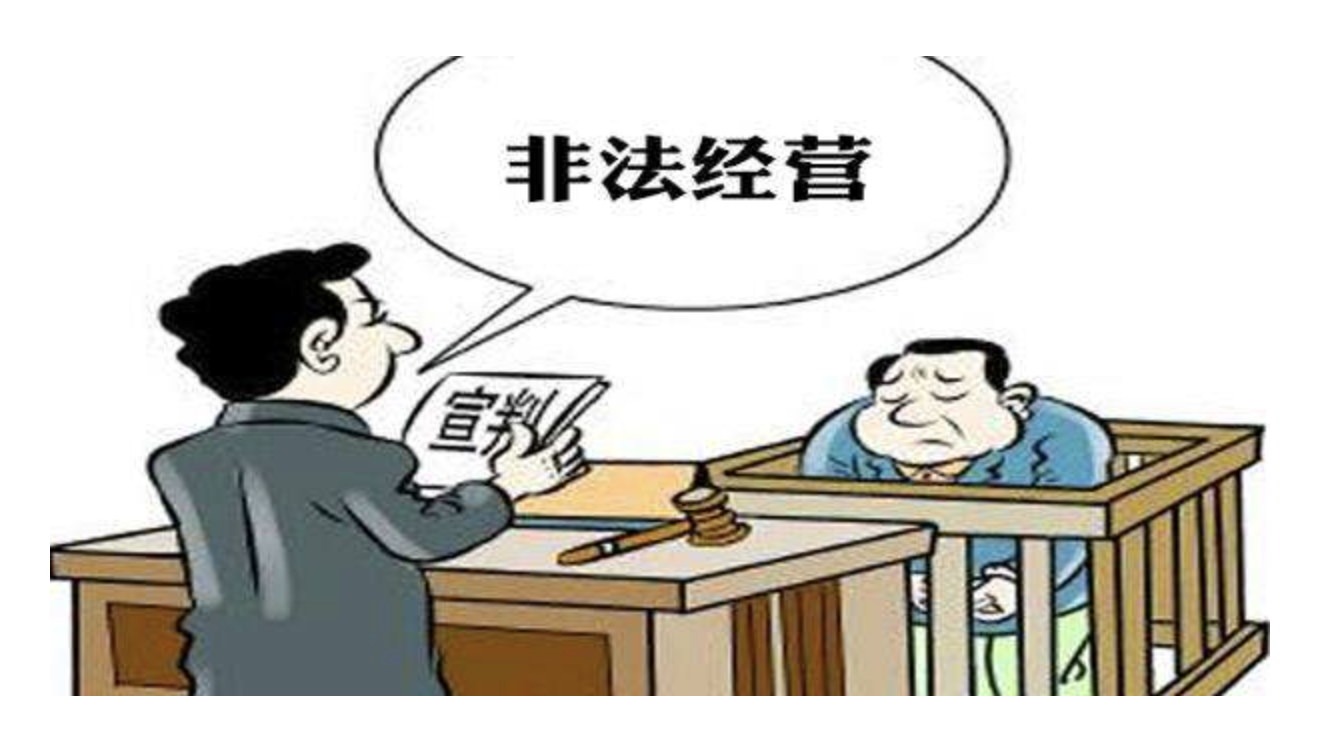
Recently, multiple criminal cases involving game publishing licenses have occurred within the game industry. Public security authorities from other provinces have conducted cross-provincial arrests of several game companies located in Guangdong and Shenzhen on the grounds of operating games without a publishing license or using a substituted license. Company controllers, executives, and employees have been arrested under the charge of illegal business operation, and corporate bank accounts have been sealed, causing significant shock throughout the game industry.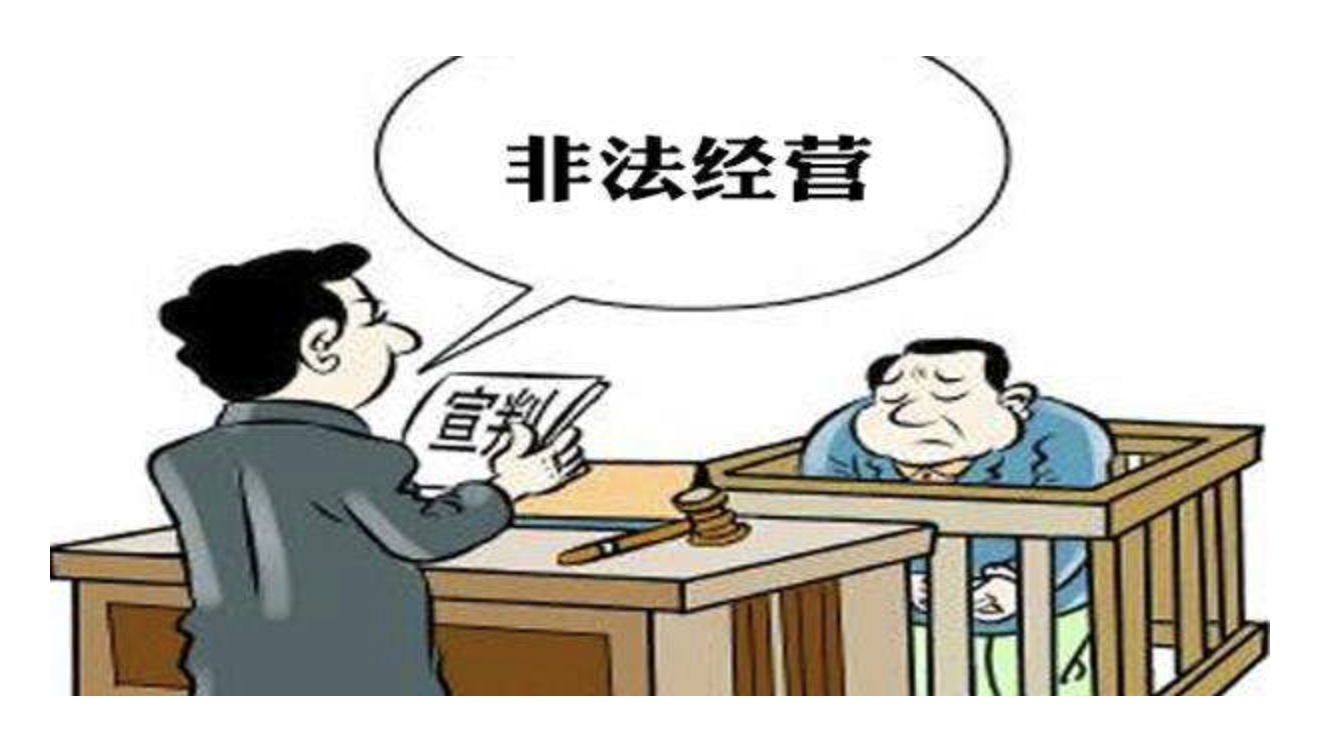
Several years ago, our team published an article titled “The Crime of Illegal Business Operation under the Shadow of Game Publishing Licenses”, in which we predicted that the game industry might face criminal risks related to publishing licenses. That prediction has now become reality. How should game companies respond to criminal risks associated with publishing licenses? Of course, the best approach is to completely avoid operating games without a license or using substituted licenses. However, if publishers or distribution channels are unable to fully verify licensing status, how can companies avoid erroneous criminal enforcement by public security authorities? Alternatively, how should they respond once a criminal case related to game publishing licenses has already occurred?
Jurisdictional Response: Do Public Security Authorities from Other Provinces Have Jurisdiction?
At present, a notable feature of publishing license–related cases is that the investigating public security authorities are often neither located in the place where the game was developed nor where it was published or operated, but rather are unrelated county- or district-level public security bureaus in other provinces. Many in the industry naturally question whether public security authorities from other provinces have jurisdiction to enforce the law.
Article 109 of the Criminal Procedure Law provides that “public security organs or people’s procuratorates that discover criminal facts or criminal suspects shall file cases for investigation in accordance with their jurisdiction.” The judicial interpretation of the Criminal Procedure Law further clarifies that “the place where a crime is committed includes the place where the criminal conduct occurred and the place where the criminal result occurred.”
Generally speaking, the place of game development or game publishing constitutes the place of conduct or the place where the result occurs. If public security authorities from other provinces are not located in either the place of game development or the place of game publishing, they should not have enforcement jurisdiction. Therefore, jurisdictional challenges constitute an important response strategy in such cases and are also a key means of curbing profit-driven law enforcement.
Policy Response: Business Environment
On July 14, the Central Committee of the Communist Party of China and the State Council issued the Opinions on Promoting the Development and Growth of the Private Economy. Article 10 provides that the lawful property rights of private enterprises and the lawful rights and interests of entrepreneurs shall be protected in accordance with the law. It emphasizes preventing and rectifying the use of administrative or criminal measures to interfere in economic disputes, as well as local protectionism in law enforcement and judicial activities. It further calls for the regulation of compulsory measures involving property, avoidance of seizures, detentions, or freezes exceeding authority, scope, amount, or time limits, and allows for continued reasonable use of business-related property not suitable for seizure or freezing, while ensuring investigation needs and minimizing the impact on normal operations and lawful production. The policy also calls for improved complaint, retrial, and correction mechanisms for enterprise-related cases and the establishment of effective systems to prevent and correct wrongful cases.
From the perspective of central policy, supporting private enterprises and improving the business environment are of great importance. In judicial practice, regulatory authorities generally order the takedown of games operated without a license or with substituted licenses and impose administrative fines amounting to five to ten times the game’s revenue. In fact, such penalties are sufficient to deter illegal conduct, and there is no necessity to escalate these cases to the level of criminal punishment. Therefore, policy-based arguments play a crucial role in publishing license–related cases.
The crime of illegal business operation must not become a tool for profit-driven enforcement, nor a means of undermining the business environment.
Legal Response: Publishing License–Related Cases Should Not Constitute the Crime of Illegal Business Operation
The crime of illegal business operation has long been regarded as a so-called “pocket crime” and is subject to strict limitations. Its scope of application must not be expanded without restraint. Accordingly, rather than mechanically applying statutory provisions, it is necessary to examine whether publishing license–related cases truly meet the constituent elements of the crime of illegal business operation.
The crime of illegal business operation requires that the business conduct violates state regulations and seriously disrupts market order. However, whether operating games without a license or using substituted licenses constitutes a criminal offense is highly controversial, for the following reasons.
I. Whether the Requirement for Game Publishing Licenses Constitutes “State Regulations”
The direct legal basis requiring online games to obtain publishing licenses is Article 27 of the Administrative Provisions on Online Publishing Services, which provides that before publishing online games online, operators must apply to the provincial publishing administrative authority at their place of location for review and approval, and then submit the application to the former State Administration of Press, Publication, Radio, Film and Television for approval. However, the Administrative Provisions on Online Publishing Services are departmental rules, rather than “laws or administrative regulations” as required under the crime of illegal business operation.
In addition, although the Regulations on the Administration of Publications are administrative regulations, they merely stipulate that electronic publications require publishing qualifications and do not explicitly classify online games as electronic publications.
Therefore, although operating games without a publishing license constitutes conduct without prior administrative approval, whether such conduct can be deemed a violation of “state regulations” as required for the crime of illegal business operation is doubtful, and such conduct should not constitute a criminal offense.

II. Whether Games Operated Without or with Substituted Publishing Licenses Seriously Disrupt Market Order
The crime of illegal business operation has consistently been regarded as a “pocket crime.” In light of the current emphasis within the political and legal system on protecting the business environment, its application must be strictly limited. Where administrative penalties are sufficient to achieve regulatory objectives, there is no necessity to escalate enforcement to the criminal level.
In Guiding Case No. 97 of the Supreme People’s Court (the retrial acquittal case of Wang Lijun for illegal business operation), the Bayan Nur Intermediate People’s Court of Inner Mongolia held that although Wang Lijun’s conduct of purchasing and selling corn without obtaining a grain purchase license or business license violated national grain circulation regulations, it had not reached the level of seriously disrupting market order and did not possess the social harm, criminal illegality, or necessity for criminal punishment equivalent to the crime of illegal business operation under Article 225 of the Criminal Law.
In the Yanyu Hongchen illegal business operation case (Case No. (2018) Yue 01 Xing Zhong 1162), the appellate court held that online original literature is a relatively new phenomenon. While regulation is necessary, rational guidance and encouragement are equally important. Administrative authorities may impose licensing requirements for management convenience, but where administrative penalties such as criticism, notification, or fines are sufficient, criminal punishment should not be abused. Administrative authorities may order rectification or even shut down websites in serious cases, but should not resort to criminal law indiscriminately. Accordingly, the court held that operating a website without obtaining a network publishing service license did not constitute the crime of illegal business operation.
Games operated without a publishing license or with substituted licenses generally involve only licensing qualification issues, and the game content itself usually does not involve illegal content such as pornography, gambling, or political offenses. Such conduct generally does not reach the level of seriously disrupting market order and lacks the social harm, criminal illegality, and necessity for criminal punishment equivalent to the crime of illegal business operation under Article 225 of the Criminal Law. Therefore, in our view, such conduct should not constitute the crime of illegal business operation.
Final Remarks
As legal practitioners long engaged in the game industry, we do not endorse the operation of games without publishing licenses or with substituted licenses. However, we are even more opposed to depriving entrepreneurs of their personal freedom through criminal punishment.
The development of online games has been a winding process, and the emergence of publishing license regulations has historical and regulatory reasons. Operating games without licenses can be fully addressed through administrative penalties. Criminal law is modest and severe by nature, and convictions under the crime of illegal business operation should not be imposed in such cases.
In today’s economic downturn, we hope that the shadow of the crime of illegal business operation will soon dissipate from the game industry.